How Franchise Retailers Can Optimize Store Layout and Assortment Using A/B Tests


A/B tests give you a clear way to improve your store layout and product assortment. You can see real results, like a retailer who tried new inventory in 10 stores and saw a 7% sales jump and fewer stockouts. When you use A/B tests, you make choices based on data. You also help customers find what they want and keep shelves full. This works well, even if you run many stores or let each location operate on its own.
Key Takeaways
A/B tests help you use facts to make better choices for store layout and what products to sell.
First, set clear goals and guesses to help your A/B tests work well.
Change just one thing at a time so you get clear results and do not get mixed up.
Use technology to make A/B testing easier and keep things the same in every store.
Support trying new things so your team keeps getting better and comes up with new ideas.
What Are A/B Tests in Retail?
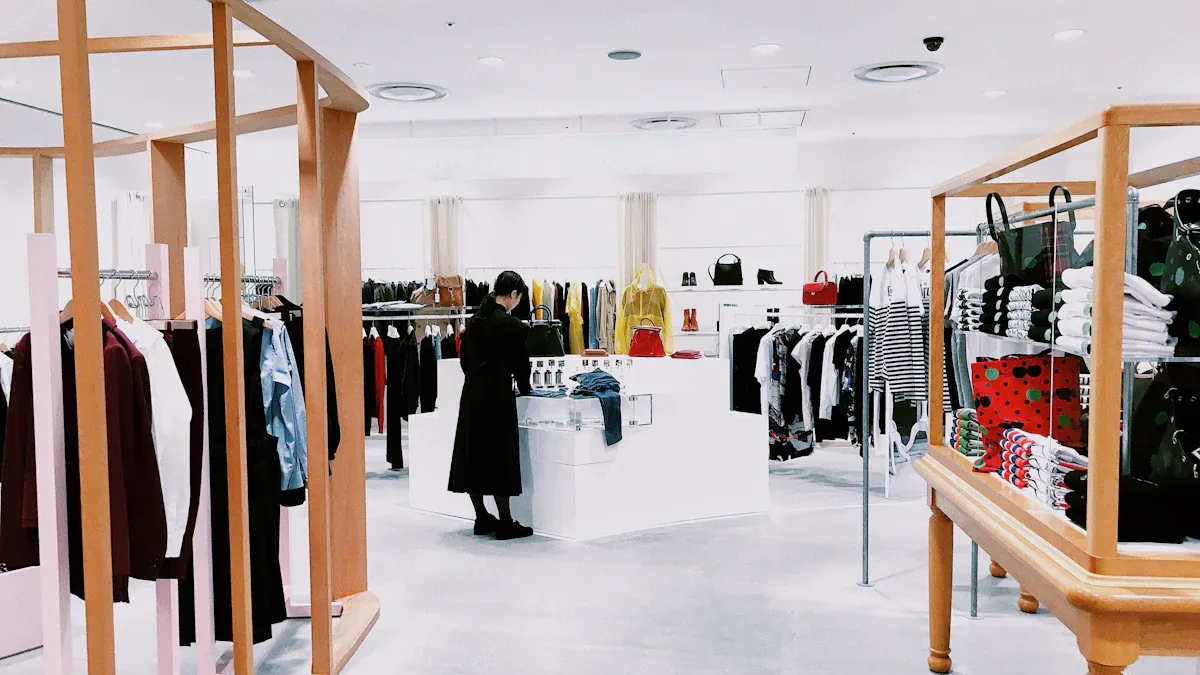
Core Principles of A/B Tests
A/B tests let you check which store option works better. You can try out two or more choices in your stores. This helps you see what your customers like most. You change one thing in some stores but leave it the same in others. After that, you look at the results to see which change is best.
Here are the main ideas behind A/B tests in retail:
You make two or more versions, like new layouts or displays.
You pick stores for each version by random choice.
You use statistical hypothesis testing to see which works better.
You often test things like shelf setup, signs, or where products go.
A/B tests help you use facts, not guesses, to decide. You can see how small changes affect sales, happy customers, or how much stock you have.
Value for Franchise Stores
Franchise stores can use A/B tests to try new things safely. You test a change in just a few stores first. Then you use what you learn to plan your next steps. This way, you know what works before changing every store.
You also get these benefits:
Tip: Try testing one thing at a time, like a new display, so your test is easy and results are clear.
You get data-driven insights to help your stores do better.
You lower the risk of big mistakes by testing first.
You help local managers make smart choices for their stores.
You create a habit of trying new things to keep getting better.
A/B tests give you a simple way to improve your store layout and assortment. You can use real data to make good choices and help your business grow.
How to Run A/B Tests
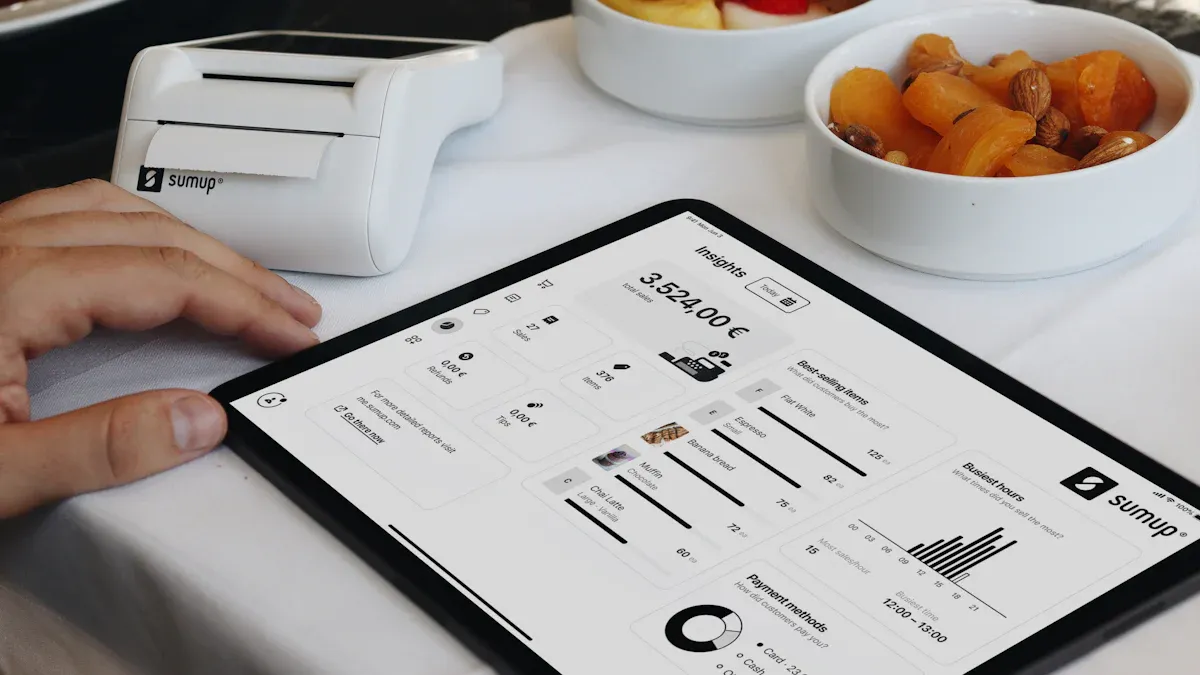
Set Goals and Hypotheses
Start by deciding what you want to achieve. You might want to increase sales, improve how customers move through your store, or reduce out-of-stock items. Clear goals help you know if your test works. Next, create a hypothesis. This is a simple statement that predicts what will happen. For example, you might say, “If I move the snack display near the checkout, sales will go up.” Setting goals and hypotheses gives your test a clear direction.
Tip: Write down your goal and hypothesis before you make any changes. This keeps your test focused and helps you measure success.
Select Test and Control Stores
Pick which stores will try the new idea and which will stay the same. Make sure your test and control stores are as similar as possible. Look for stores with the same size, location type, and customer base. This helps you compare results fairly. If your stores are very different, your test might not show the real effect of your change.
Test stores: Try the new layout or assortment.
Control stores: Keep everything the same.
Matching stores helps you avoid bias and makes your results stronger.
Change One Variable at a Time
Change only one thing in your test stores. For example, move a display, add a new product, or change a sign. If you change more than one thing, you will not know which change caused the result. Tests that focus on a single variable give you clear answers.
If you test more than one thing, your results can get mixed up.
A/B tests work best when you isolate one change.
A study found that tests with only one change gave more reliable results than tests with many changes.
Measure and Analyze Results
Track what happens in both your test and control stores. Use tools to collect data on sales, customer flow, or other key numbers. Run your test for at least one to two full business cycles, usually one to two weeks. This gives you enough data to see real trends.
You should look at both the main number you want to improve (like sales) and other numbers that might change (like customer visits). Use statistical analysis to check if your results are real or just random. The table below shows what to watch for:
Element | Description |
|---|---|
Shows if your results are likely from your change, not just luck. | |
Primary and Secondary Metrics | Focus on your main goal, but also check other numbers to see the full impact. |
Audience Segmentation | Break down results by customer type to find hidden trends. |
External Factors | Think about things like holidays or weather that might affect your results. |
Note: Ask customers for feedback during your test. Their opinions can show you what works and what needs fixing. Use surveys or reviews to learn more.
A/B tests help you make smart choices based on facts, not guesses. When you follow these steps, you can improve your store layout and assortment with confidence.
A/B Test Best Practices
Ensure Test Validity
You want your test results to be accurate and useful. Start by setting a clear goal, like raising your store’s conversion rate or boosting snack sales. Pick one thing to change at a time. For example, test a new shelf layout or a different product display, but not both together. This helps you see what really works. Write down your hypothesis before you begin. Use a reliable tool to split your stores into test and control groups. Make sure you have enough customers in each group so your results are meaningful. After the test, compare the numbers from both groups to find the winner. Keep testing new ideas to stay ahead.
Steps for Valid A/B Tests:
Choose one variable to test.
Create a clear hypothesis.
Set up your test with the right tools.
Run the test with enough traffic.
Analyze the results.
Test again for ongoing improvement.
Avoid Common Pitfalls
Operational consistency matters. If each store runs the test differently, your results will not be reliable. Use digital tools, like signage that updates everywhere at once, to keep things the same across all locations. This stops stores from making changes on their own and helps you avoid confusion. Try not to run more than one A/B test on the same product at the same time. This keeps your data clean and your results clear.
Digital signage lets you control updates quickly and easily, so every store follows the same plan.
Use Data for Decisions
Let your data guide you. When you see which version works best, use that information to make smart choices for your business. Focus on what brings the highest return. Keep testing and learning. Listen to feedback from customers and staff. Watch what your competitors do and learn from their wins and mistakes. This habit of testing and improving helps your stores grow stronger over time.
Use A/B tests to find what works best for your customers.
Apply what you learn to future changes.
Build a culture where everyone looks for ways to improve.
Continuous Improvement Tips
Start Small, Scale Up
You can try A/B tests in just a few stores first. This helps you learn fast and avoid big mistakes. You ask customers and staff for feedback. You look at the data to see if your idea works. You check that your test follows all rules. You teach your team so everyone knows the new steps. You make changes slowly to fix any problems. You keep checking how things go and listen after you launch.
Do market research to find out what customers want.
Test your idea in some stores to get feedback.
Look at results from different places and groups.
Change your plan if you learn something new.
Lower risks by testing before changing every store.
Starting small helps you fix issues early and feel confident before you grow bigger.
Foster Experimentation
You make it normal for your team to try new things. You ask your team to share ideas and test them out. You let franchisees change their stores for local needs. You give rewards for creative and brave choices. This helps your stores react to market changes. You get stronger because you learn from every test.
Try new ideas and be flexible for local markets.
Let stores change layouts and products with customer feedback.
Build habits that help your business change fast when needed.
Trying new things helps your business grow and succeed for a long time.
Leverage Technology
You use technology to make A/B tests easier and smarter. You collect customer and sales data to see what works best. You split email lists to send special messages. You try different marketing plans and see which one wins. You use digital tools to update signs and displays in all stores at once. You keep your brand strong by following rules and training your team.
Use customer data to make marketing personal.
Split emails for special content.
Try different marketing plans to find the best one.
Keep brand standards with rules and training.
Technology helps you test, learn, and get better faster than ever.
You can use A/B tests to make your store better. Testing helps you find the best store layout and products. When you keep testing, you learn what works well. This helps you get used to trying new things. Testing again and again makes your business do better. It also makes customers happier. Look at the table below to see the good things about A/B tests:
Benefit | Description |
|---|---|
Improving Marketing ROI | |
Minimizing Risks | You make safer choices and avoid big problems. |
Uncovering Deep Audience Insights | You find out what your customers like most. |
Facilitating Innovation | You try new ideas and keep making things better. |
You can use data to learn what customers want. You can check if they are happy. You can make changes that help your business grow.
FAQ
What is the best way to pick test and control stores?
You should choose stores that look alike in size, location, and customer type. This helps you compare results fairly. Try to match stores as closely as possible.
How long should I run an A/B test in my store?
Run your test for at least one to two business cycles. This usually means one or two weeks. Longer tests can give you more reliable results.
Can I test more than one change at a time?
No, you should only test one change at a time. If you test more than one, you will not know which change caused the result.
What tools can help me run A/B tests?
You can use sales tracking software, customer feedback apps, and digital signage tools. These help you collect data and keep your test consistent across stores.
