Ways Franchise Retailers Can Use Autonomous Stores as Agile Pop-Up Locations

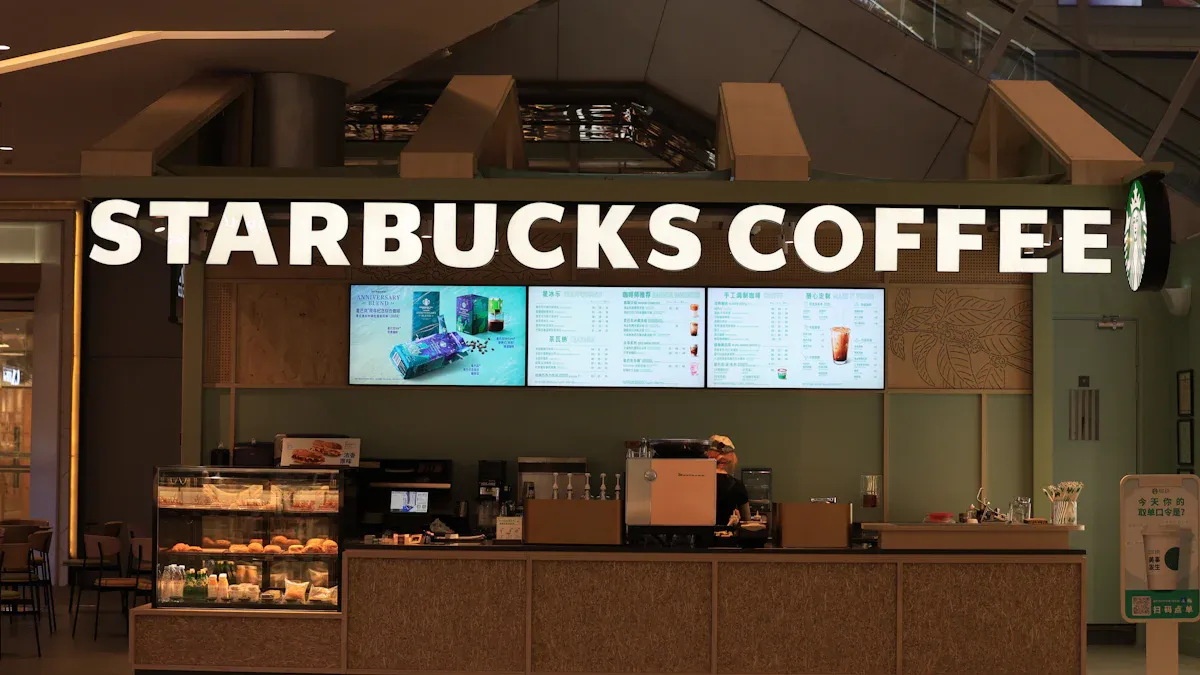
You can unlock new opportunities for your franchise by launching pop-up locations with autonomous stores. These stores help you reach new markets and respond to changing demand with minimal risk. Take advantage of cost savings and convenience. Shoppers enjoy a seamless experience without lines or cashiers.
Benefit | Description |
|---|---|
Convenience | Shoppers can enjoy in-store shopping without long lines or wait times, as there are no cashiers. |
Cost Savings | Autonomous stores can operate 24/7 without the need for staff, leading to lower labor costs. |
Enhanced Customer Experience | Customers can select items and leave without waiting to pay, improving their overall shopping experience. |
Key Takeaways
Autonomous stores offer 24/7 shopping, increasing sales opportunities and customer convenience.
Fast setup allows you to launch pop-up locations quickly, capturing seasonal demand without lengthy planning.
Centralized inventory management helps you track stock in real time, preventing shortages and excess.
AI-driven personalization enhances the shopping experience, leading to higher customer satisfaction and loyalty.
Lower operational costs and staffing needs make autonomous stores a flexible option for testing new concepts.
Rapid Deployment with Autonomous Stores

Fast Setup for Seasonal Demand
You can launch pop-up locations in record time with autonomous stores. When holidays or special events approach, you need to respond quickly. Traditional stores require weeks of planning and setup. Autonomous stores let you set up a fully functional retail space in days. You can stock seasonal products and create a festive atmosphere without hiring extra staff. Customers enjoy shopping at any hour, and you capture sales during peak demand.
Tip: Use autonomous stores to test new seasonal products. If a product sells well, expand your offering next season.
Accessing New Locations
You gain access to high-traffic areas that were previously out of reach. Autonomous stores operate in places like airports, stadiums, and busy city centers. You do not need to negotiate long-term leases or invest in expensive build-outs. You can place your pop-up store where your customers already spend time. This strategy helps you reach new audiences and boost brand visibility.
Place autonomous stores in transit hubs for maximum exposure.
Target local events and festivals to attract new shoppers.
Move your pop-up to different locations based on performance.
Location Type | Potential Benefit |
|---|---|
Airports | Capture travelers with limited time |
Stadiums | Reach fans during events |
City Centers | Attract busy professionals |
Quick Adaptation to Market Changes
You can adapt your retail strategy fast when market conditions shift. If demand spikes for a certain product, autonomous stores let you adjust inventory and pricing instantly. You do not need to wait for lengthy approvals or staffing changes. You can close underperforming pop-ups and open new ones in better locations. This flexibility reduces risk and keeps your business agile.
Note: Monitor sales data from each autonomous store. Use real-time insights to make smart decisions about inventory and location.
Inventory & Pricing Management
Centralized Inventory Control
You can take control of your inventory across all pop-up locations with centralized management. This approach gives you real-time visibility and helps you make smarter decisions. Technologies like IoT sensors, AI analytics, and robotics work together to monitor stock, predict demand, and automate restocking. These tools keep your shelves full and your customers satisfied.
Technology | Description |
|---|---|
IoT Sensors | Monitor inventory in real time, providing updates on stock levels. |
AI Analytics | Use machine learning to predict customer purchases and optimize stock levels. |
Robotics | Automate restocking and inventory checks, improving accuracy and efficiency. |
Centralized inventory management lets you see product availability across all locations. You can offer services like click-and-collect or local delivery, even during busy seasons. You also benefit from economies of scale and better purchasing power.
Real-time stock updates prevent overselling and reduce dead stock.
Centralized dashboards show sales patterns and inventory status.
A skilled team with the right technology outperforms traditional methods.
Real-Time Pricing Updates
You can boost your sales by updating prices instantly. Real-time pricing lets you respond to customer demand and competitor moves. AI-driven pricing tools help you create discounts and promotions that match shopper behavior. This strategy increases revenue and builds loyalty.
Feature | Description |
|---|---|
Local Demand Monitoring | Tracks surges in demand, such as increased water purchases during a heatwave. |
Inventory Threshold Tracking | Adjusts prices based on inventory levels, e.g., raising prices when stock is low. |
Real-time Competitor Reaction | Adapts pricing in response to competitor promotions instantly. |
Loyalty Program Adaptation | Modifies prices for loyalty program members or app users. |
Bundle Discounts Optimization | Creates discounts based on items in a shopper's cart. |
💡 Dynamic pricing powered by AI and machine learning helps you maximize profits and stay ahead of the competition.
Reducing Stockouts and Overstocks
You can avoid empty shelves and wasted inventory with advanced technology in autonomous stores. Computer vision and predictive analytics track inventory and forecast demand. Automated systems reduce manual errors and align stock with real-time sales data.
Accurate demand forecasting prevents stockouts and overstocks.
Automated replenishment keeps products available without excess.
Enhanced inventory visibility supports omnichannel strategies like ship-from-store.
Strategy | Description |
|---|---|
Demand Forecasting | Predict product demand using sales trends, seasonality, and promotions. |
Automated Replenishment | Automate reorders to reduce overstock and stockouts with intelligent thresholds. |
Enhanced Inventory Visibility | Unify data from POS, ERP, and supplier systems for better stock management. |
You gain smoother operations, lower costs, and happier customers when you optimize inventory with these tools.
Customer Experience in Autonomous Stores
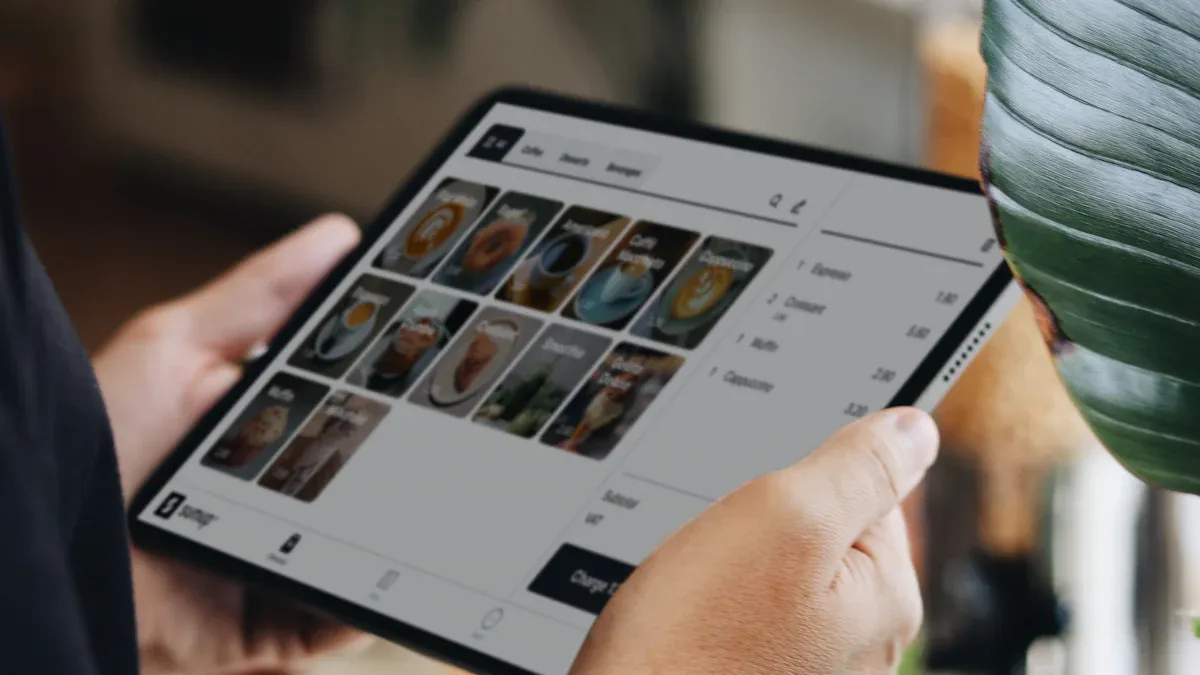
Seamless, Cashierless Shopping
You transform shopping into a frictionless experience with cashierless technology. Customers walk in, select products, and leave without waiting in line. This approach eliminates traditional checkout delays and boosts satisfaction. Stores become smaller and closer to your customers, increasing convenience and accessibility. Basket sizes grow by about 20%, showing that shoppers enjoy the ease and efficiency. You also make in-store positions more appealing, which leads to better service and positive interactions.
Evidence Description | Impact on Customer Satisfaction |
|---|---|
Stores can be built smaller and closer to customers | Increases convenience, making shopping more accessible |
Basket sizes in cashierless stores are approximately 20% larger | Indicates a more satisfying shopping experience due to ease of access and efficiency |
Reduced wait times due to elimination of traditional checkout | Enhances overall shopping experience by minimizing delays |
You address common pain points by making shopping faster and easier. Customers spend less time searching for products and avoid lengthy processes that cause frustration.
Pain Point Type | Description |
|---|---|
Interaction-Level Pain Points | Customers spend excessive time searching for desired products. |
Journey-Level Pain Points | Customers experience lengthy shopping processes that lead to frustration. |
Relationship-Level Pain Points | Customers are required to engage with ads or perform tasks to access services. |
24/7 Accessibility
You offer round-the-clock access, which increases sales opportunities and attracts more customers. Shoppers visit your store any time, day or night. Self-service options enhance the experience through quick and efficient transactions. Impulse purchases rise because customers have easy access to products.
Evidence Type | Description |
|---|---|
Convenience | 24/7 access to products increases sales opportunities, especially during off-hours. |
Customer Experience | Self-service enhances shopping experience through quick and efficient transactions. |
Sales Potential | Impulse purchases are more likely when customers have easy access to vending solutions. |
🚀 You unlock new revenue streams by serving customers whenever they need you.
Personalization with AI Data
You personalize every shopping journey with artificial intelligence. AI analyzes behaviors, preferences, and purchase history to create tailored experiences. It optimizes product recommendations and applies promotions based on individual profiles. In autonomous stores, AI reserves items, confirms transactions, and manages logistics in one seamless interaction. You build loyalty and drive sales by making every visit unique.
AI examines purchase history and web navigation to create detailed customer profiles.
It suggests products aligned with current desires.
AI executes transactions and applies promotions instantly.
💡 Personalized shopping increases satisfaction and encourages repeat visits.
Operational Flexibility & Cost Efficiency
Lower Overhead and Staffing
You can cut costs and reduce risk by using autonomous stores. Advanced technology manages daily operations, so you do not need a large team on-site. You set up and tear down pop-up locations quickly, reaching more customers with less effort. This approach lets you operate efficiently and focus your resources where they matter most. You avoid the expenses of traditional staffing, which means you keep your business agile and ready for new opportunities.
💡 Lower overhead gives you freedom to experiment and expand without worrying about high labor costs.
Testing New Concepts
You gain the power to test new ideas and store formats with minimal risk. Autonomous stores let you launch pilot projects, try new products, and explore fresh layouts. You can scale up or down based on performance, making it easy to respond to market feedback. Żabka’s digital transformation shows how rapid experimentation drives growth. Their innovation unit opened 50 autonomous stores in a short time, proving that quick iteration leads to success.
Żabka started using technology in 2016 to open stores faster.
Their innovation team represents 15% of the workforce, focusing on rapid project development.
By July 2022, they had launched 50 autonomous stores, adapting quickly to market needs.
You can follow this model to stay ahead of trends and meet customer expectations.
Adapting to Local Preferences
You tailor your offerings to fit each community. Engage with local customers through events and workshops. Collect feedback and adjust your products to match their tastes. Communicate often with franchisees to gather insights and refine your approach. When you address specific needs, you build trust and loyalty.
Community engagement helps you connect with local audiences.
Customer feedback guides your product selection and promotions.
Frequent communication with franchisees ensures you stay relevant.
The Transitions Pop-ups model shows that dynamic engagement and authentic partnerships lead to better outcomes. You complete key tasks on-site and provide meaningful support, making your pop-up stores more valuable to each community.
You gain speed, flexibility, and consistent brand experiences with autonomous pop-up stores. These solutions minimize manual processes and operational risks, making rapid expansion possible.
Franchise management often faces challenges balancing standardization and autonomy. Addressing these complexities strengthens your brand and franchise relationships.
Next steps to pilot autonomous pop-ups:
Negotiate aggregator integrations for tracking.
Test revenue-share deals in high-density zones.
Use pop-up units to explore new markets before investing.
You can diversify across aggregators and build direct-order channels to lower costs and boost demand.
FAQ
What makes autonomous pop-up stores ideal for franchise retailers?
You gain speed, flexibility, and cost savings. Autonomous stores let you test new markets and concepts without heavy investment. You reach customers where they shop most. This approach helps you grow your brand faster.
How do autonomous stores handle inventory and restocking?
You use smart technology like IoT sensors and AI analytics. These tools track inventory in real time. Automated systems alert you when stock runs low. You keep shelves full and customers happy.
Can you personalize the shopping experience in autonomous stores?
Absolutely! AI analyzes customer data and purchase history. You offer tailored recommendations and promotions. Personalized shopping builds loyalty and increases repeat visits.
Are autonomous pop-up stores secure?
You benefit from advanced security features. Cameras, sensors, and access controls protect your products and customers. You monitor activity remotely and respond quickly to any issues.
How quickly can you launch an autonomous pop-up location?
You set up in days, not weeks. Modular designs and digital systems speed up deployment. You respond to seasonal demand or market shifts almost instantly.
