How autonomous stores support sustainability goals in Franchise & multi-location retailers.

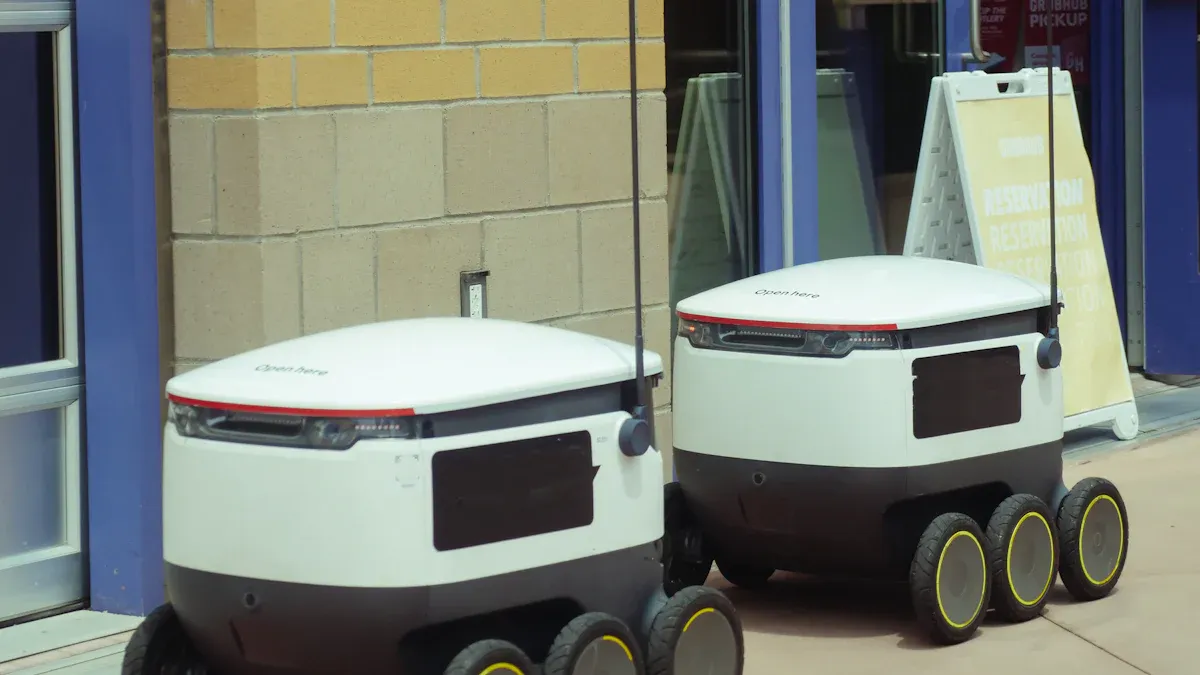
You can see how autonomous stores help you reach your sustainability goals. These stores use smart technology to watch energy use, handle inventory, and cut waste. You check the environmental, operational, and social effects with real numbers. Technology helps you use the same green steps in each location. This means you make a bigger difference with every store.
Key Takeaways
Autonomous stores use smart technology to watch energy use. This helps lower costs and emissions.
Smart inventory systems help cut waste. They make sure fresh products are there and fewer goods expire.
Buying in bulk means less packaging waste. It also lowers transportation emissions and helps supply chains stay green.
Real-time tracking makes supply chains work better. It cuts shortages and waste and gives better customer service.
Using green practices at every location helps franchises check and improve their sustainability impact.
Environmental Impact of Autonomous Stores
Energy Efficiency and Automation
Automation changes how stores use energy. Automated systems control lights, heating, and cooling. These systems use real-time data to adjust settings. Machines turn off lights when no one is there. This saves energy. Digitalization strategies can save up to 30% energy. Comfort AI adds about 6.5% more savings. Building control systems cut energy use by 29% in commercial buildings. You lower emissions and pay less for utilities. Autonomous stores help you reach your sustainability goals faster.
Tip: Automated energy management helps you track and improve energy use daily.
Reducing Waste with Smart Inventory
Smart inventory systems keep shelves stocked with fresh products. AI technology helps set the right stock levels. Popular items stay available, and waste from expired goods goes down. Predictive analytics guess what customers will want. You restock items on time and avoid too much or spoiled stock. Real-time data checks expiration dates and changes prices to sell items before they spoil. Stores using smart inventory management cut extra inventory by 15-20%. This helps you reduce waste from old products.
Technology gives you information to keep shelves fresh and lower food waste.
Proactive inventory management makes operations run better.
Lower Carbon Footprint Through Bulk Purchases
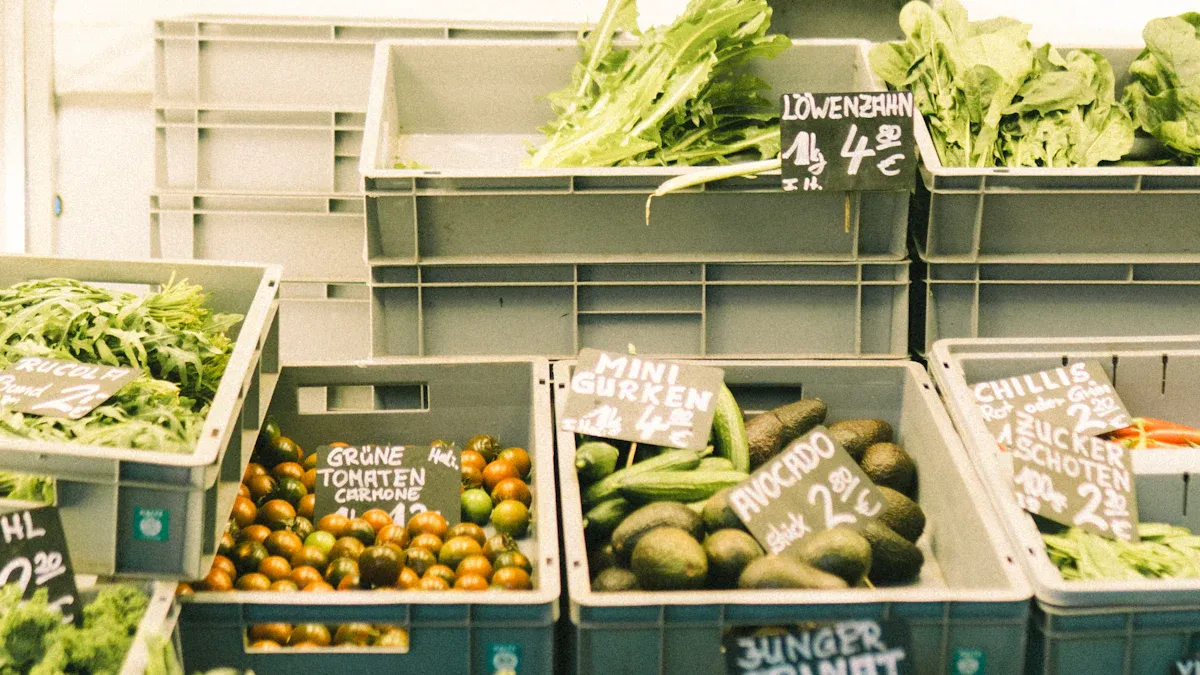
Bulk buying lowers your carbon footprint. You buy more products at once and use less packaging. Leading supply chains use zero-waste packaging and biodegradable materials to cut plastic by 70%. Big retailers focus on bulk items with less packaging. Refill stations for cleaning supplies can cut packaging waste by 8.2 million tons each year. You help the environment by picking bulk options and supporting sustainable supply chains.
Benefit | Impact |
|---|---|
Less packaging | Lower waste and pollution |
Bulk buying | Fewer transportation emissions |
Refill stations | Millions of tons less waste |
Autonomous stores use technology to watch and improve these practices. You see real-time data that helps you make better choices for the planet.
Operational Sustainability in Multi-Location Retail
Streamlined Supply Chain
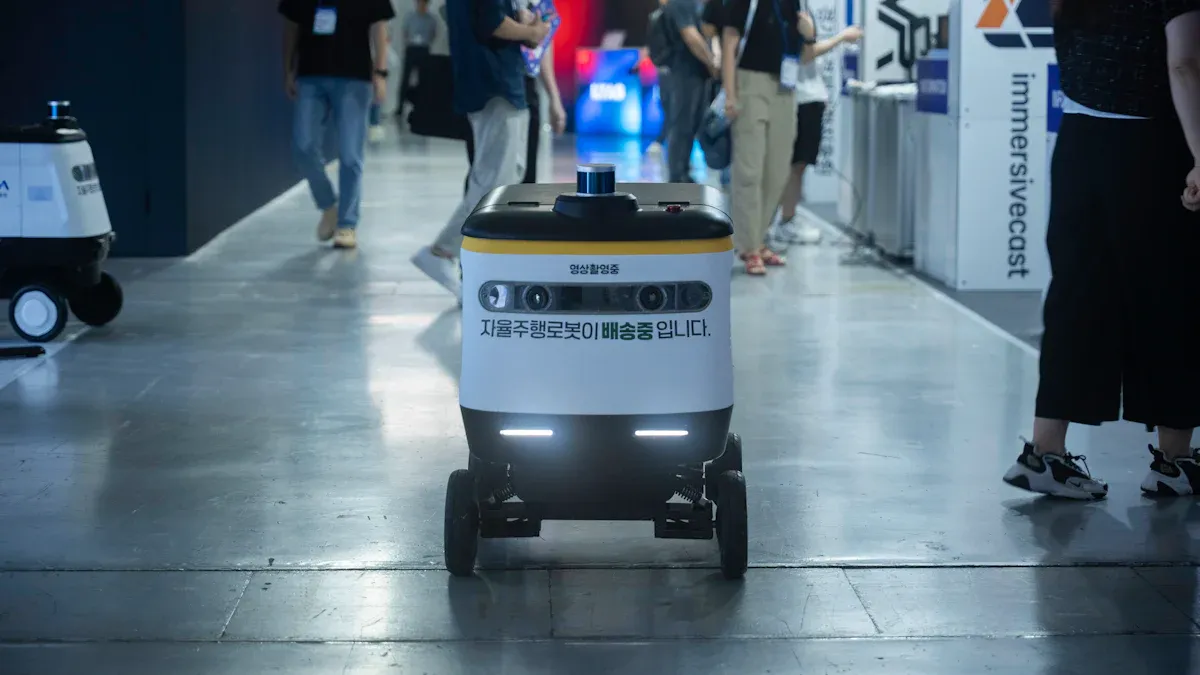
Autonomous stores help your supply chain work better. They use real-time tracking to watch inventory and deliveries. You know what needs restocking and when things arrive. This stops shortages and keeps extra stock away. You save money and waste less. Many stores use climate controls to keep food fresh. This lowers spoilage. Security features keep products safe and stores running well. You can keep your store open all day and night. This lets you serve more customers and earn more money.
Feature | Benefit |
|---|---|
24/7 Operational Capabilities | Customers can shop anytime, and owners make more money. |
Reduced Labor Costs | Robots help with inventory and checkout, so costs go down. |
Enhanced Inventory Management | Real-time tracking makes supply chains faster and easier. |
Advanced Security Features | Products and customers stay safe, so stores work without problems. |
Climate Controls | Food stays fresh, waste goes down, and quality gets better. |
Multiple Delivery Windows | Customers wait less, and stores serve more people. |
Tip: Real-time tracking helps you react fast to changes in demand.
Multi-brand franchise stores face tough challenges. Many locations have different ideas and rules. It is hard to balance standard steps with local needs. Autonomous stores help you find the right mix.
Faster Deployment and Lower Overhead
You can open new stores quickly with fewer resources. Autonomous stores use robotics and digital systems for simple tasks. You need fewer workers for stocking and checkout. This cuts labor costs and makes setup faster. Data helps you plan store layouts and manage inventory. Security stops theft and loss. Dynamic pricing lets you change prices fast to match demand.
Benefit | Description |
|---|---|
Fewer staff are needed, so labor costs drop, especially for simple jobs. | |
Data-driven insights | Real-time data helps you set up stores and manage inventory better. |
Reduced theft and loss | Security measures lower theft and loss a lot. |
Dynamic pricing | Prices change quickly to help stores earn more money. |
Integration with omnichannel | Online and in-store shopping connect, making it easier for customers. |
Note: You can open stores in new places with less cost and reach more people.
Consistent Practices Across Locations
You can use the same green steps in every store. Autonomous stores help you standardize recycling, cashierless checkout, and digital transactions. For example, the REWE store in Berlin uses recycling deposit machines. You support a paperless environment by sending credits to virtual baskets and removing paper receipts. You make sure each store follows the same green practices. This helps you measure progress and improve results.
You add recycling programs to every store.
You give cashierless checkout for a digital shopping experience.
You use digital transactions to cut paper waste.
Alert: Using the same sustainability steps helps you track and improve your impact everywhere.
You build a strong base for operational sustainability. You save money, waste less, and make stores work better. Autonomous stores give you tools to grow and reach your goals.
Social Benefits of Autonomous Stores
Frictionless Shopping and Accessibility
Autonomous stores make shopping easy for everyone. Technology removes waiting in lines and slow checkouts. You walk in, grab what you want, and leave fast. The system tracks what you buy and charges you right away. This simple process helps you make quick choices that are good for the planet. You save time and energy. Store layouts and apps are made for all people. People with disabilities find shopping easier because the store and technology help them. This focus on inclusivity makes shopping better for everyone.
Tip: Frictionless shopping saves time and helps you pick eco-friendly products.
Employee Upskilling and Safety
Workers in autonomous stores get new jobs. Employees learn to use smart machines and digital tools. Upskilling helps them work better and stay safe. Training teaches digital skills, fixing problems, and doing different tasks. Workers follow safety rules more when they know the technology. Companies that train workers build loyalty and lower fear of change.
Employees learn to use new technology.
Training makes stores safer and teamwork stronger.
Upskilled workers help stores run well.
Note: Upskilling helps stores stay safe and work better.
Community Engagement
Autonomous stores help your community grow stronger. These stores use local suppliers and offer products that fit your area. You see fresh and healthy food from nearby farms. Stores can hold events or share tips about recycling and sustainability. You feel closer to your neighborhood. When stores listen to your feedback, they get better and become a good part of your area.
Community Benefit | How It Helps You |
|---|---|
Fresher food and less travel | |
Sustainability events | Learn and join green efforts |
Feedback channels | Your voice shapes the store |
Shopping at autonomous stores helps build a greener and stronger community.
Measuring and Scaling Sustainability
Key Performance Indicators
You need simple ways to see your progress with sustainability. Key performance indicators (KPIs) help you check how your stores are doing. You can look at energy use, less waste, and how happy customers are. You should also count how much packaging you save and how often you fill shelves. Watching these numbers helps you know what is working and what needs to get better. You can use real-time dashboards to see your KPIs every day. This makes it easy to show results to your team and make new goals.
Real-World Examples
You can learn from other franchise and multi-location retailers. Many have done well by balancing control and freedom, knowing local markets, and making strong partnerships. The table below shows some important lessons:
Key Insight | Description |
|---|---|
Autonomy vs. Dependence | You need to balance franchisor control with franchisee independence. |
Local Market Understanding | Knowing your local market helps you run your store better. |
Strategic Partnerships | Working with partners helps you succeed in different cultures and countries. |
You will also have problems when you start using new technology. These can be hidden costs, workers worrying, and technical issues. The next table lists common problems:
Challenge Type | Description |
|---|---|
Cost Concerns | You may find extra costs for maintenance, energy, or compliance after you start. |
Employee Resistance | Some workers worry about losing jobs or being watched more closely. |
Technical Integration Issues | Many stores have trouble connecting new systems with old ones. |
Data Privacy Concerns | You need to protect customer data and follow privacy rules in every location. |
Implementation Steps for Franchises
You can follow these steps to bring autonomous stores to your franchise:
Planning and Vendor Selection: Write down your needs, look for technology providers, and plan a small test project.
Infrastructure Setup and Integration: Check your store layout, put in hardware, and connect software systems.
Calibration, Training, and Testing: Set up sensors, teach staff, and try out the system before opening.
Launch and Optimization: Start with a small group, then open to everyone. Keep making things better with feedback and data.
Many big retailers have grown autonomous stores to hundreds of places. They use digital tools to run stores and add new ones easily. You can do this too by following these steps and watching your progress.
You can see that autonomous stores help you meet green goals. These stores also help you make more money and spend less. The table below shows what retailers have gained from using these solutions:
Benefit/Outcome | Percentage |
|---|---|
89% | |
Decrease in annual costs | 95% |
You also help workers do their jobs better and make customers happier. Tools like Vision AI and real-time help make stores smarter. You can try out AI tools and teach your team how to use them. These actions help you work toward a greener future.
FAQ
What is an autonomous store?
You shop in a store with no cashiers. Smart technology watches what you take. You pay right away when you leave. Sensors and cameras help make shopping quick and simple.
How do autonomous stores help the environment?
You use less energy and waste less in these stores. Smart systems control lights and keep rooms cool or warm. Inventory tools stop food from spoiling. Bulk buying and digital receipts use less packaging and paper.
Are autonomous stores safe for employees?
Workplaces are safer in autonomous stores. Employees learn new skills and use smart machines. Training helps them stay safe and use technology well. Upskilling gives workers more job choices.
Can you open autonomous stores in small towns?
You can open these stores in small towns. Autonomous technology lowers costs and needs fewer workers. This helps stores serve more places with less staff.
How do you measure sustainability in autonomous stores?
You track important numbers like energy use, waste, and customer happiness. Real-time dashboards show your progress. You use these numbers to set goals and make stores better.
